
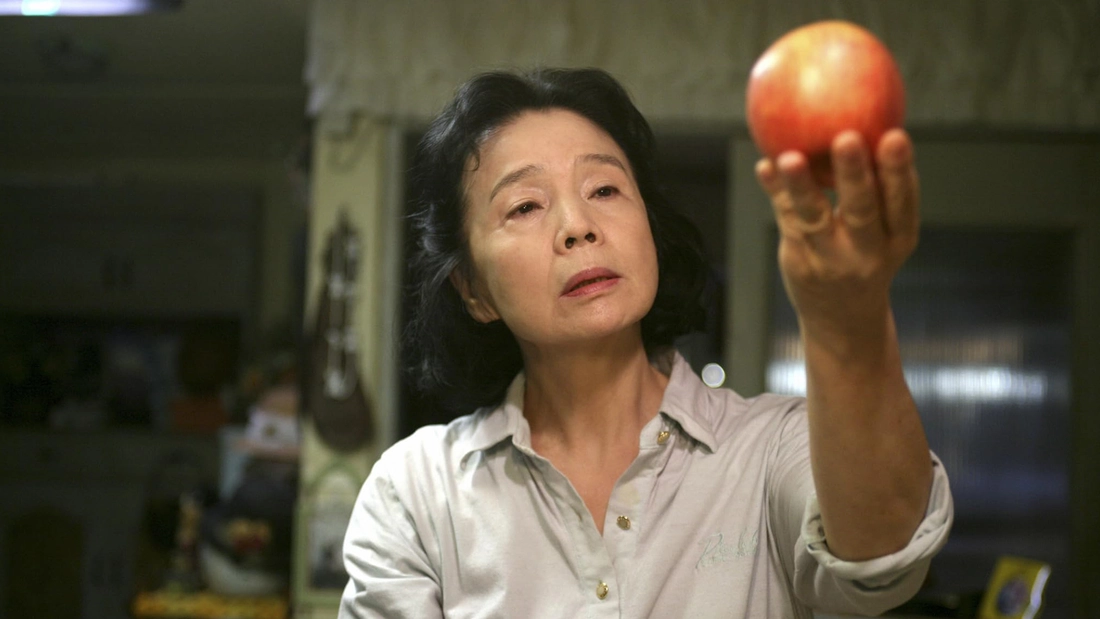

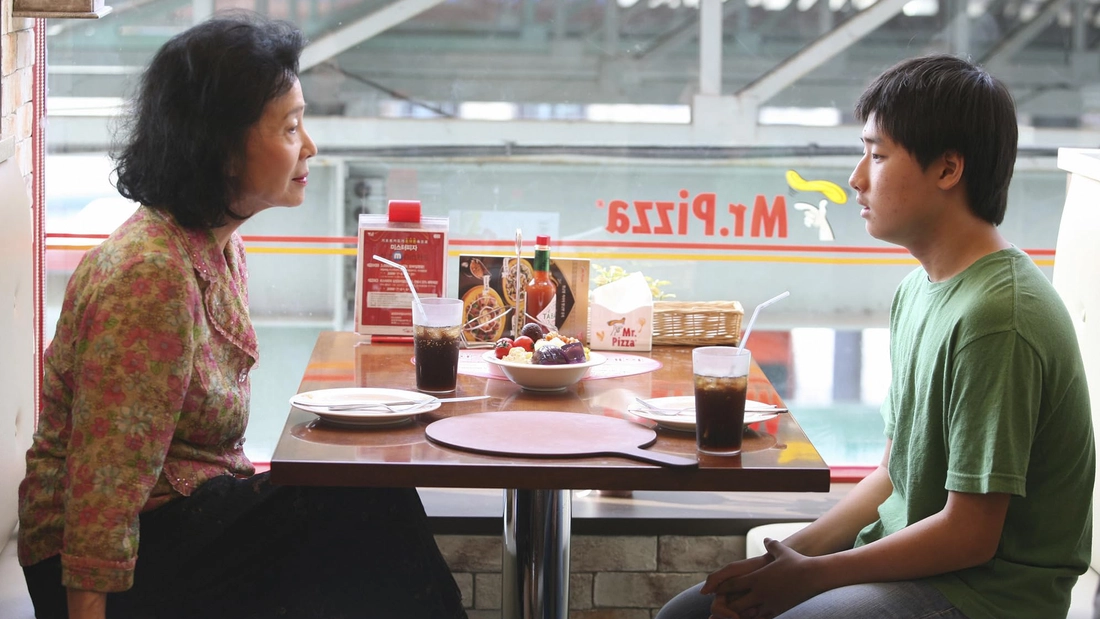
A frail woman in her mid-60s, Mi-ja (Yun Jeong-hie) is raising her teenage son Jong-wook (Lee Da-wit), and works as a housekeeper and nurse to bitter, bedridden Mr. Kang (Kim Hee-ra). In the film’s first movement, she faces two catastrophes, beginning with a doctor’s visit that reveals she’s suffering from early onset Alzheimer's. Rather than tell anyone, Mi-ja registers in an amateur poetry class. Then she discovers Jong-wook was among a group that raped a classmate, leading to her suicide. To keep the boys out of prison, a bribe must be paid to the victim’s poverty-stricken mother, but Mi-ja lacks the money to pay her share. As these two crises develop, she continues to work on writing a single poem. In lesser hands, all this could have easily turned into something overly sappy and cloying. But with his fifth feature, writer/director Lee Chang-dong eludes those risks, thanks to Yun’s luminous, often funny performance and his own uncanny gift for staging scenes with dispassionate, often wordless, subtlety. Both a lament for the frailty of human lives and a celebration of our insatiable appetite for creativity and beauty, Poetry is exquisite. —Larry Gross
Director/s
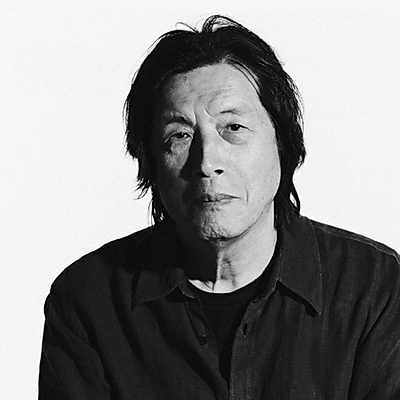 Lee Chang-dong
Lee Chang-dong a celebrated South Korean filmmaker and novelist whose work has earned him a reputation as one of world cinema's most exacting humanists. His films include Green Fish (1997), Peppermint Candy (1999), Oasis (2002, Silver Lion for Best Director, Venice), Secret Sunshine (2008), Poetry (2010, Best Screenplay, Cannes), and Burning (2018), which became the first Korean film to be shortlisted for the Academy Award for Best International Feature Film. Before turning to film, Lee was an acclaimed novelist and briefly served as South Korea's Minister of Culture and Tourism. With Possible Love, his first feature since Burning, Lee returns to the themes of longing, class, and quiet devastation that have defined his career.