
Once Upon a Time in Harlem


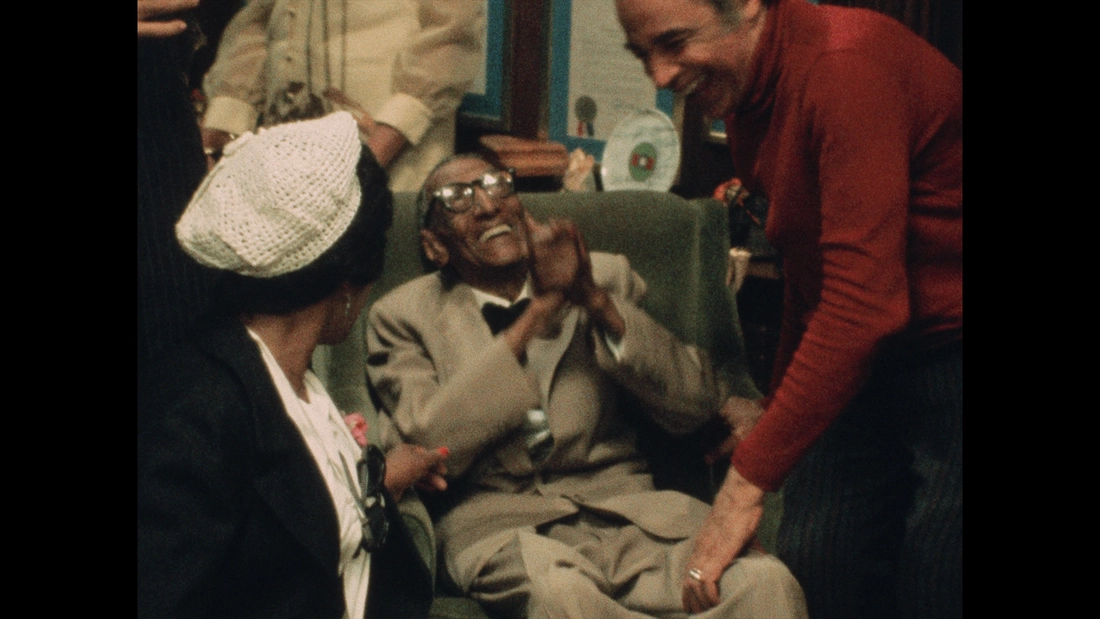
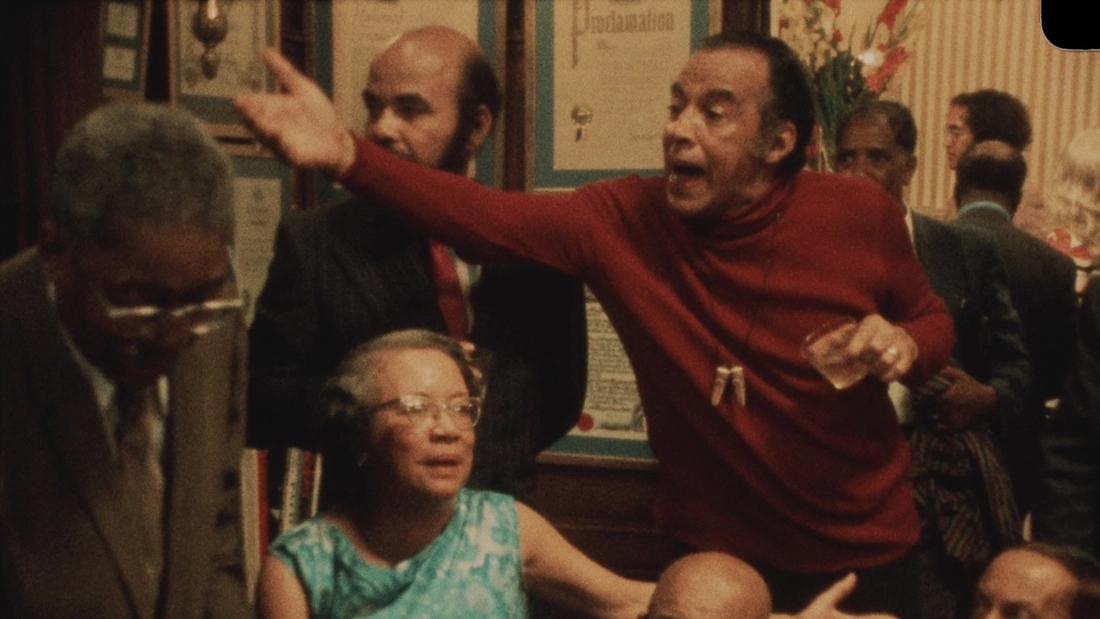
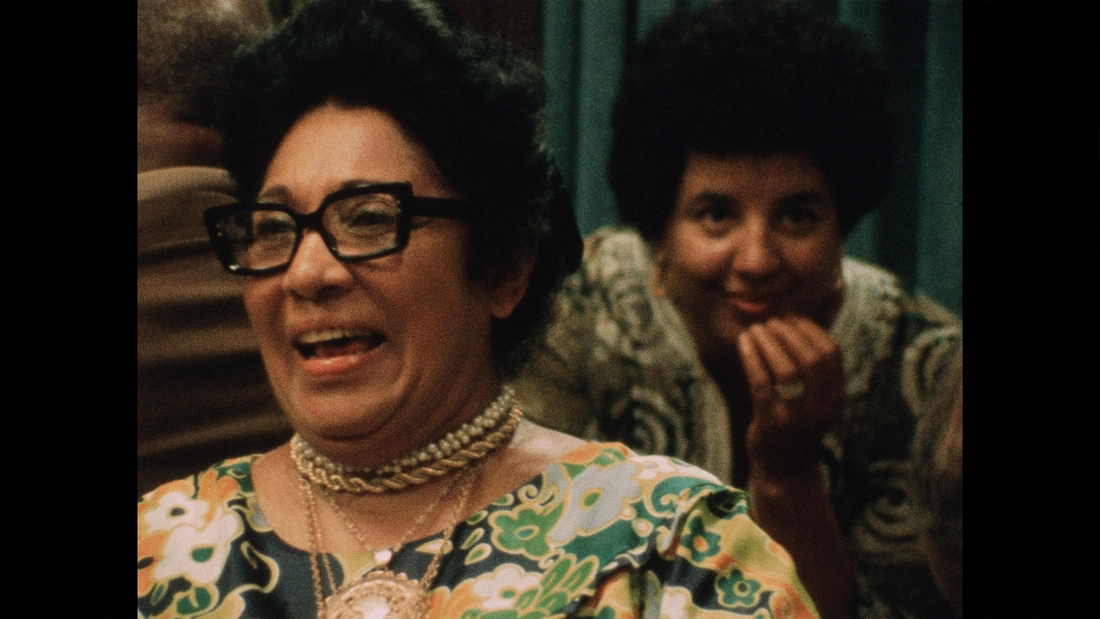
It is a film we thought we’d never get to see: a documentary culled from footage shot by Symbiopsychotaxiplasm: Take One director William Greaves in August 1972 of the surviving members of the Harlem Renaissance, all gathered together at Duke Ellington’s New York apartment to reminisce about and debate their movement’s legacy. At long last, Greaves’ son David completes his late father’s passion project, 50-year-old footage becoming 2026’s signature cinematic event. Once Upon a Time in Harlem is a tapestry of intimate, electric conversation between actors, writers, and others who helped shape the creative flowering of Black artists in the 1920s and ‘30s. But what’s remarkable—and also sobering—is how much of their exchanges touch on the racism and economic inequality still plaguing America in the 21st century. Much like the Oscar®-winning Summer of Soul, this nearly forgotten hangout brings history alive and emerges as a vital cultural landmark. It’s a party like no other—one full of brilliant personalities and bracing ideas. —Tim Grierson
Director/s
 William Greaves
Over the course of 52 years, William Greaves (1926-2014) created an immense body of work that documented, reflected on, and celebrated the African American experience. From'1953-2005, Greaves was the producer, writer, director, cinematographer, and/or editor of 79 films. Spanning documentary, narrative, and hybrid forms, the films tell a vast, complex story about the major figures engaged in the fight for social justice, equal opportunity, and basic respect. From Nationtime (1972), Black Power in America: Myth or Reality? (1987), Ida B. Wells: A Passion of Justice (1989), Ralph Bunche: An American Odyssey (2001), and onward to the two uncategorizable, astonishing Symbiopsychotaxiplasm (1968, 2005) films, William Greaves's filmography constitutes a unique and powerful portrait of the United States and its checkered history.
 David Greaves
An award-winning filmmaker and journalist, David Greaves worked as cinematographer and/or editor on many of his father William Greavesʼ films including the famed feature film, Symbiopsychotaxiplasm: Take 1 (1968). Significantly, he was one of the original cameramen during the 1972 shoot for Once Upon a Time in Harlem (2026). In 1996 he founded DBG Media and the award-winning independent newspaper Our Time Press. As a journalist and writer, he has won numerous awards from the Independent Press Association and the New York Association of Black Journalists, including First Place awards for investigative reporting, in-depth reporting, and personal commentary, among them.
Expected Guests
DAVID GREAVES: Director